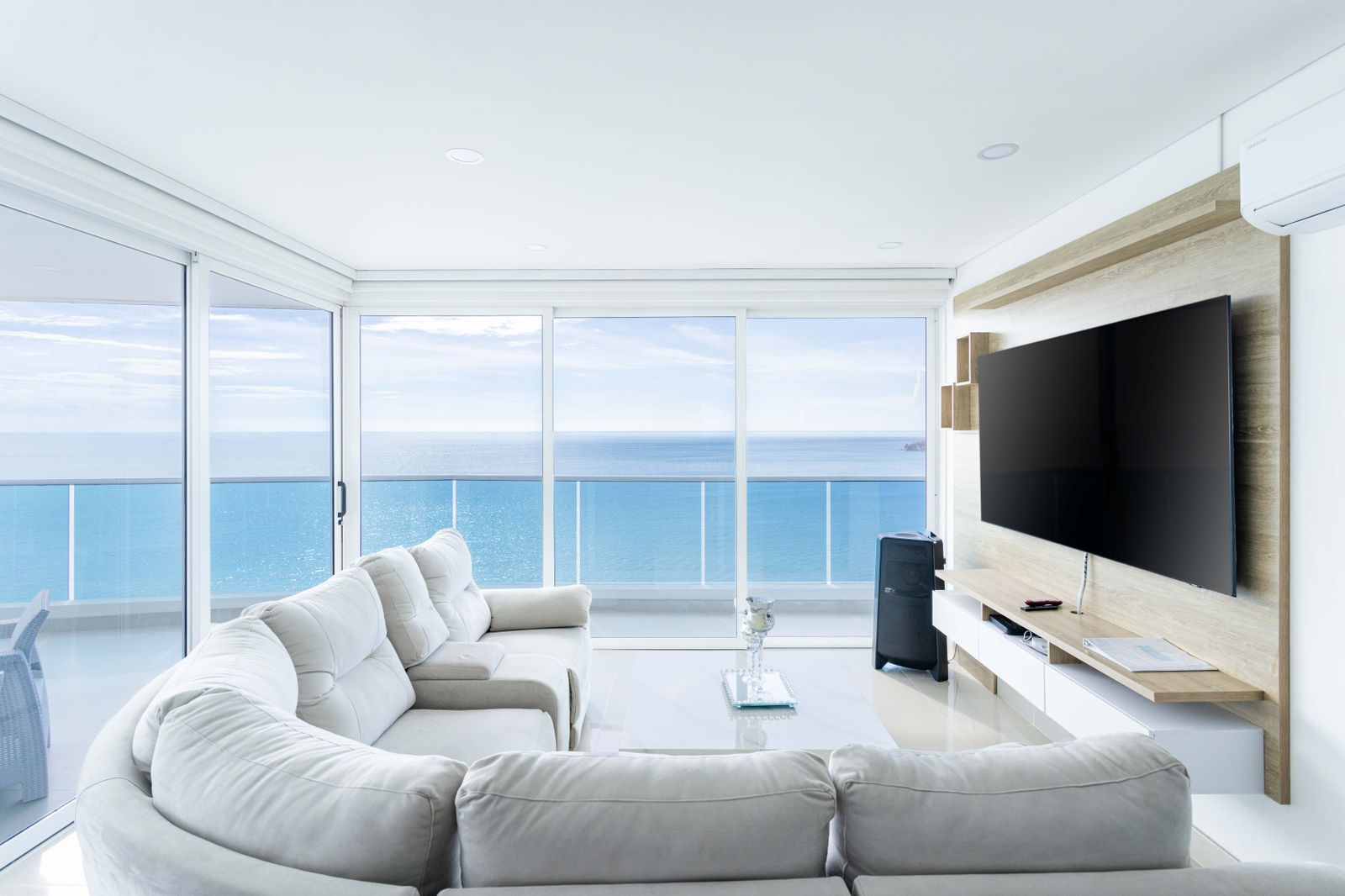
Autumn Indoor Dry Air Symptoms: Identification & Relief Guide
Contrary to popular belief, cold outdoor air does not dry out your home directly; residential central heating systems strip moisture when warming ambient air. To relieve chapped skin, dry eyes, and static shock, maintain indoor relative humidity between 30%–50% by deploying a targeted personal 3-in-1 misting humidifier directly in your primary workspace or bedroom zone.
Progression Timeline: How Autumn Heating Dries Indoor Air
- Late September (First Outdoor Temperature Dip) — Outdoor temperatures drop to 55°F–60°F. Indoor relative humidity stays near 45%–50%. Mild nasal dryness and slight skin tightness begin during late evening hours.
- Mid-October (Furnace Activation) — Central heating turns on daily. Indoor relative humidity drops from 45% down to 35%. Static electricity begins accumulating on carpets and clothing; morning throat scratchiness appears.
- Early November (Sustained Low Humidity) — Heating runs continuously through cold nights. Indoor humidity plummets below 30%. Chapped lips, flaking skin, dry eye fatigue during computer work, and wooden furniture creaking become noticeable.
- Late November to December (Peak Heating Moisture Deficit) — Outdoor air hovers near freezing; indoor air holds less than 20% relative humidity without supplemental misting. Increased susceptibility to sinus discomfort and persistent static shock.
Seasonal Unit Setup & Care Maintenance Schedule
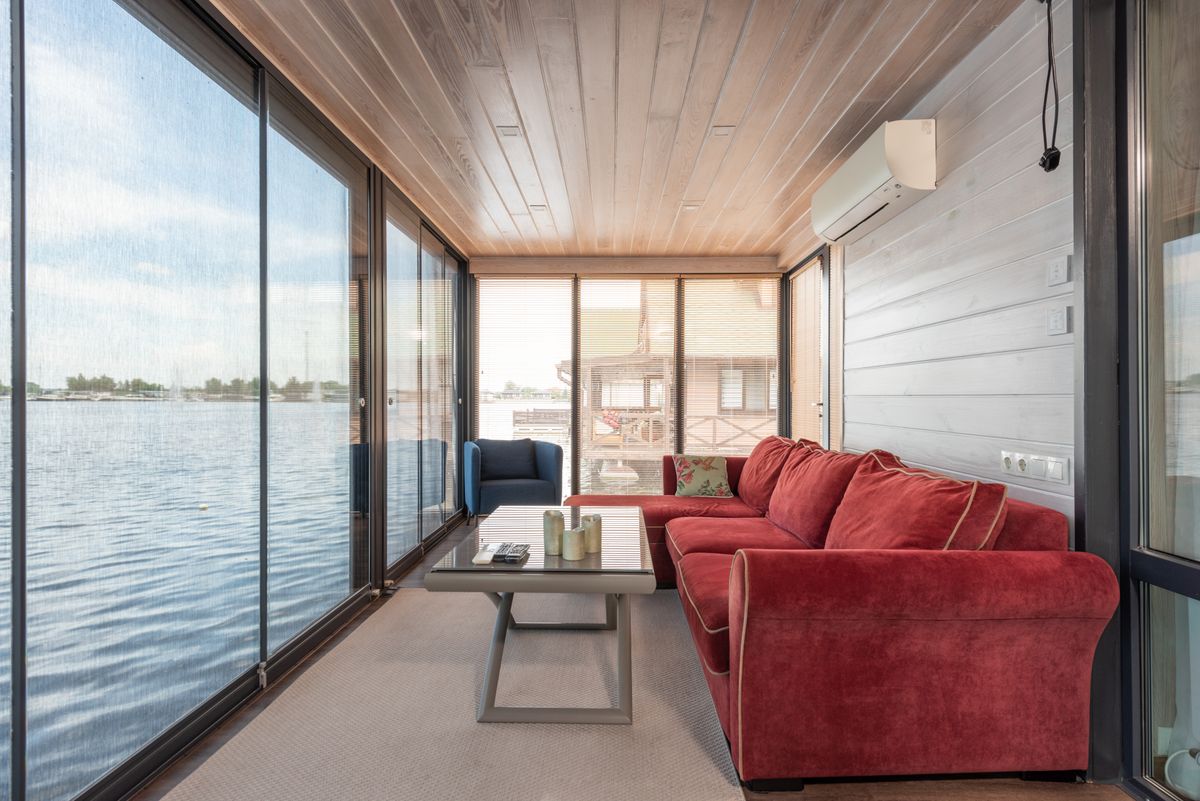
Photo by Max Vakhtbovych on Pexels
- Daily Operational Care — Empty residual water from the sink basin at the end of the day. Wipe the interior reservoir dry with a clean microfiber cloth and refill with fresh, cool water prior to use.
- Weekly Deep Refresh — Rinse the water reservoir with a 1:1 mixture of warm water and white vinegar to dissolve white mineral scale. Clean the fine mist ultrasonic nozzle gently with a soft cotton swab.
- Monthly System Inspection — Inspect the USB power cable and port for dust build-up. Test the 7-color LED light cycle and low-noise fan speeds to ensure balanced power consumption and whisper-quiet airflow.
- End-of-Season Storage Preparation — Drain all water completely, run the fan mode without water for 20 minutes to thoroughly dry internal components, and store in a dust-free enclosure.
Expert Microclimate Strategy: Spot Humidification vs. Whole-Home Systems
When deciding how to combat autumn dryness, lead with localized microclimate control rather than overworking your central heating evaporator. Attempting to humidify an entire 2,000-square-foot house consumes significant energy and often leads to excess condensation on exterior window frames, which encourages hidden mold growth.
Instead, position a compact 3-in-1 misting fan within 2 to 3 feet of your seated breathing zone. This creates a localized 30%–50% relative humidity envelope right where you spend your time—hydrating your nasal passages, skin, and eyes directly—while leaving unpopulated hallways and storage areas unaffected. It is the most energy-efficient, rapid, and hygienic path to personal thermal comfort.
Autumn Dry Air Symptom Diagnostic Matrix
| Diagnostic Criteria | Physical Body Symptoms | Home Environment Signs | Estimated Indoor RH | Recommended Immediate Remedy |
| --- | --- | --- | --- | --- |
| Optimal Moisture Balance | Hydrated skin, comfortable breathing, no eye fatigue | No static cling, healthy houseplants, stable wood | 30% – 50% RH | Maintain current background airflow; no active misting needed. |
| Mild Moisture Deficit | Slight dry lip sensation, occasional throat tickle | Minor hair static, dust settling quickly on desks | 25% – 29% RH | Activate low fan speed with fine water mist spray for 2–3 hours daily. |
| Moderate Dry Heat Spike | Flaky cheek skin, irritated contact lenses, morning dry nose | Frequent door handle static shocks, cracking leaf tips on plants | 20% – 24% RH | Run 3-in-1 mist cooler continuously at personal desk during work hours. |
| Severe Central Heat Deficit | Cracked lips, nosebleeds, itchy skin, dry cough at night | Sparks from synthetic blankets, gap openings in hardwood floors | < 20% RH | Add chilled water or ice cubes to sink reservoir; position mist 2 ft from bedside/desk. |
Use this criteria-based matrix to evaluate whether your physical discomforts and home environment signs stem from low indoor relative humidity or seasonal autumn allergies.
Frequently Asked Questions: Autumn Humidity Control
Answers to common operational and health questions regarding indoor humidity management during autumn.
Autumn Humidity Deficit Calendar (October to December)
| Month | Avg Outdoor Temp | Typical Indoor RH Unassisted | Primary Comfort Risk Factor | Recommended Microclimate Action |
| --- | --- | --- | --- | --- |
| October | 50°F – 65°F | 35% – 45% RH | Intermittent furnace cycles causing evening dry throat | Deploy desktop mist fan on low speed during computer work blocks. |
| November | 35°F – 50°F | 25% – 35% RH | Constant central forced air drying skin and sinus passages | Fill reservoir with clean water daily; run mist spray with soft 7-color ambient lighting. |
| December | 20°F – 35°F | < 25% RH | Severe indoor moisture deficit, static sparks, night throat irritation | Move 3-in-1 unit to bedside table; run whisper-quiet fan mode overnight. |
Track how falling seasonal temperatures correlate with required microclimate adjustments across the late US autumn months.
Core Takeaways for Autumn Moisture Balance
Keep these essential rules in mind when optimizing your home or office microclimate during the dry autumn season:
Regional Climate Guidance: Central Heating vs. Arid Autumn Zones
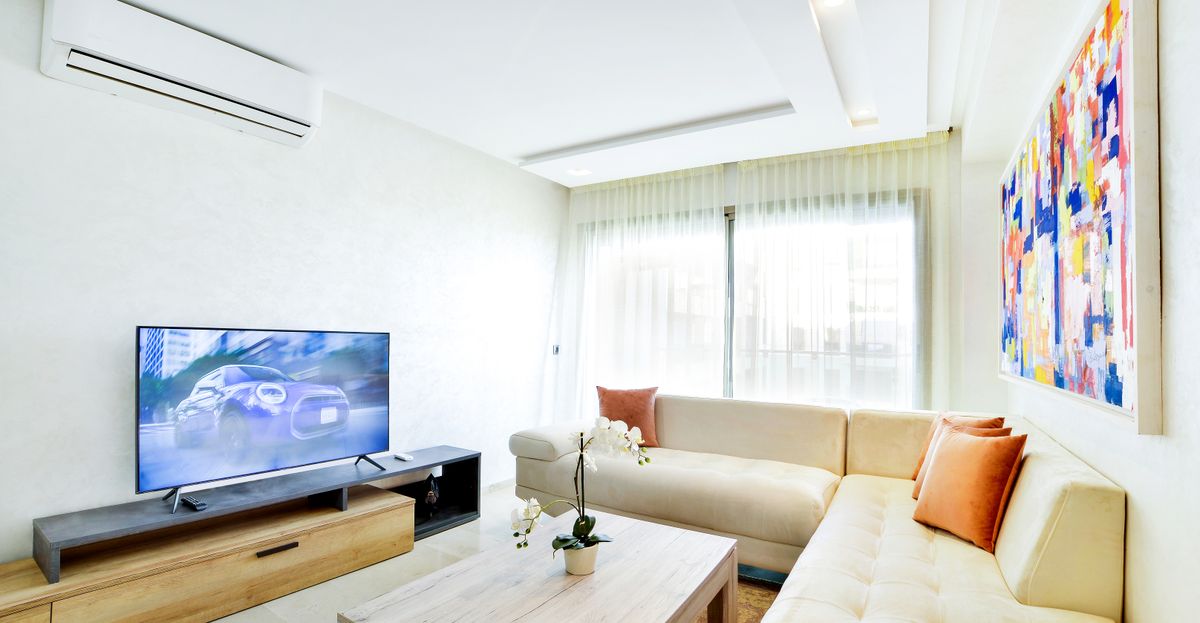
Photo by Moussa Idrissi on Pexels
Autumn weather varies dramatically across the United States. Your strategy for managing indoor dry air depends on whether your local climate is dominated by central furnace heating or natural geographical aridity.
- Northern & Midwest States (Forced-Air Heating Zones): In regions like Illinois, Ohio, or New York, cold outdoor weather forces central furnaces to run almost constantly. This heating process heats ambient air without adding water vapor, plummeting indoor relative humidity below 20%. In these zones, focus your 3-in-1 mist cooler directly on desktop and bedside areas to counter furnace dry heat.
- Southwestern States (Natural Arid Zones): In Arizona, Nevada, and inland California, autumn brings naturally low atmospheric humidity combined with warm afternoon sunshine. Here, using your 3-in-1 unit with chilled water or ice cubes provides a double benefit: rapid evaporative personal cooling during warm afternoons and vital ultrasonic air hydration during crisp, dry evenings.
Autumn Desktop Microclimate Setup Checklist
Follow these practical steps to safely position and operate your USB personal air cooler and misting fan for maximum daily comfort.
Recommended Guides on Year-Round Indoor Comfort
Expand your knowledge on indoor air quality, seasonal humidity management, and microclimate optimization with these core resource topics:
- Year-Round Indoor Humidity & Comfort Strategy Guide — Learn how seasonal shifts alter indoor moisture levels and how to adjust your desk setup year-round.
- Personal Mist Coolers vs. Traditional Evaporative Humidifiers — A deep dive into efficiency, spot coverage, and maintenance differences for home office workers.
- How Dry Indoor Air Impacts Sleep Quality — Discover how ambient misting and low-noise air movement improve overnight breathing and skin recovery.
Targeted Solution: 3-In-1 Personal Air Cooler & Misting Fan
Restore instant, comfortable moisture and soft ambient lighting to your personal space with our flagship multi-functional desktop unit.
Immediate Action Plan for Autumn Dryness Relief
Your decision: Transition your home comfort setup from summer cooling to targeted autumn personal spot-humidification.
Do this next: Measure workspace relative humidity using a digital hygrometer, maintain a 30%-50% RH range, and position a USB 3-in-1 misting fan 2-3 feet away on your desk.
- Read next: Year-Round Comfort: How to Transition Your Portable Air Cooler to a Winter Humidifier
3-In-1 Personal Air Cooler (Color / Pack) for compact, quiet microclimate humidification.
Take control of your personal environment today by following this streamlined implementation pathway.
Cover photo by Gustavo Galeano Maz on Pexels.