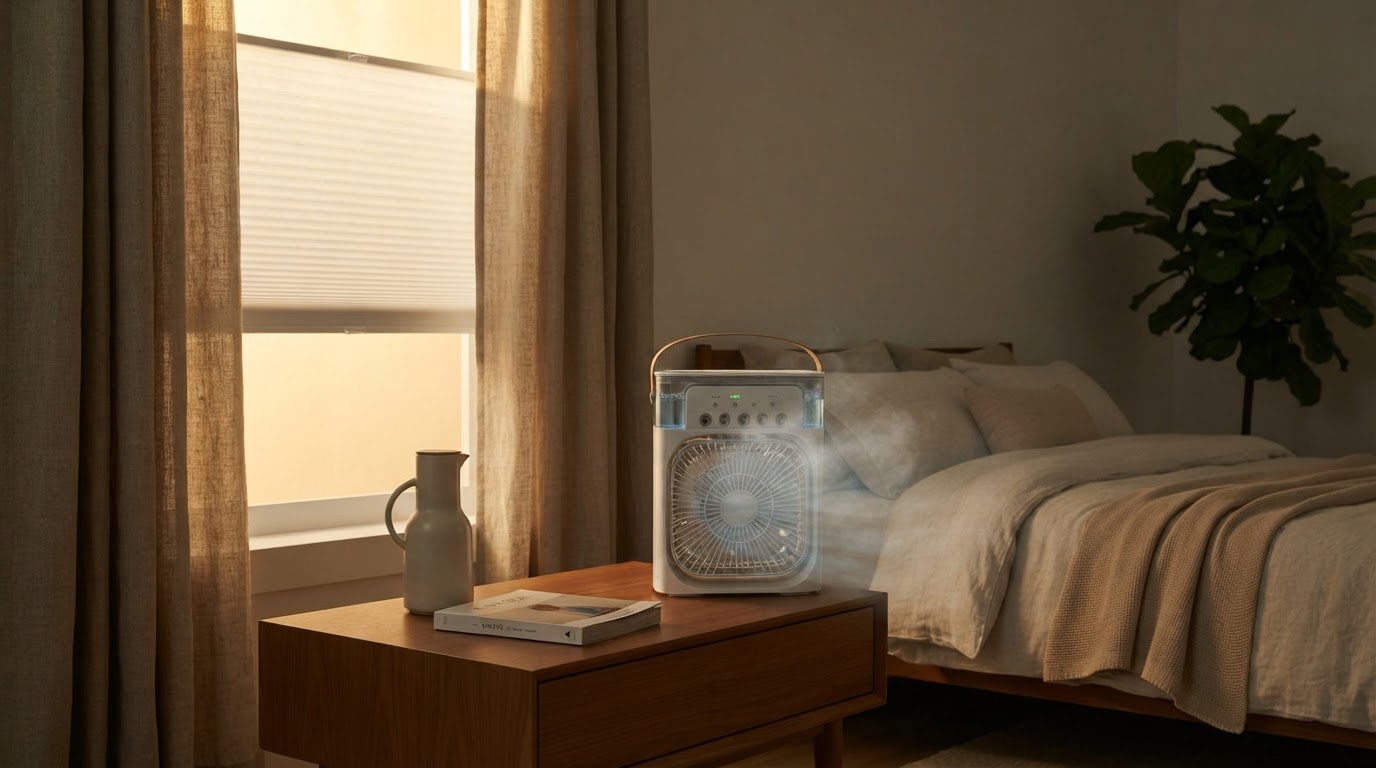
How to Keep Your Bedroom Cool at Night for Better Sleep
Elevated bedroom temperatures interfere with natural circadian rhythms, leading to restless nights and fatigue. Learning how to cool a bedroom without running high-power central air can transform your sleep quality.
Step 1: Block Daytime Thermal Radiation
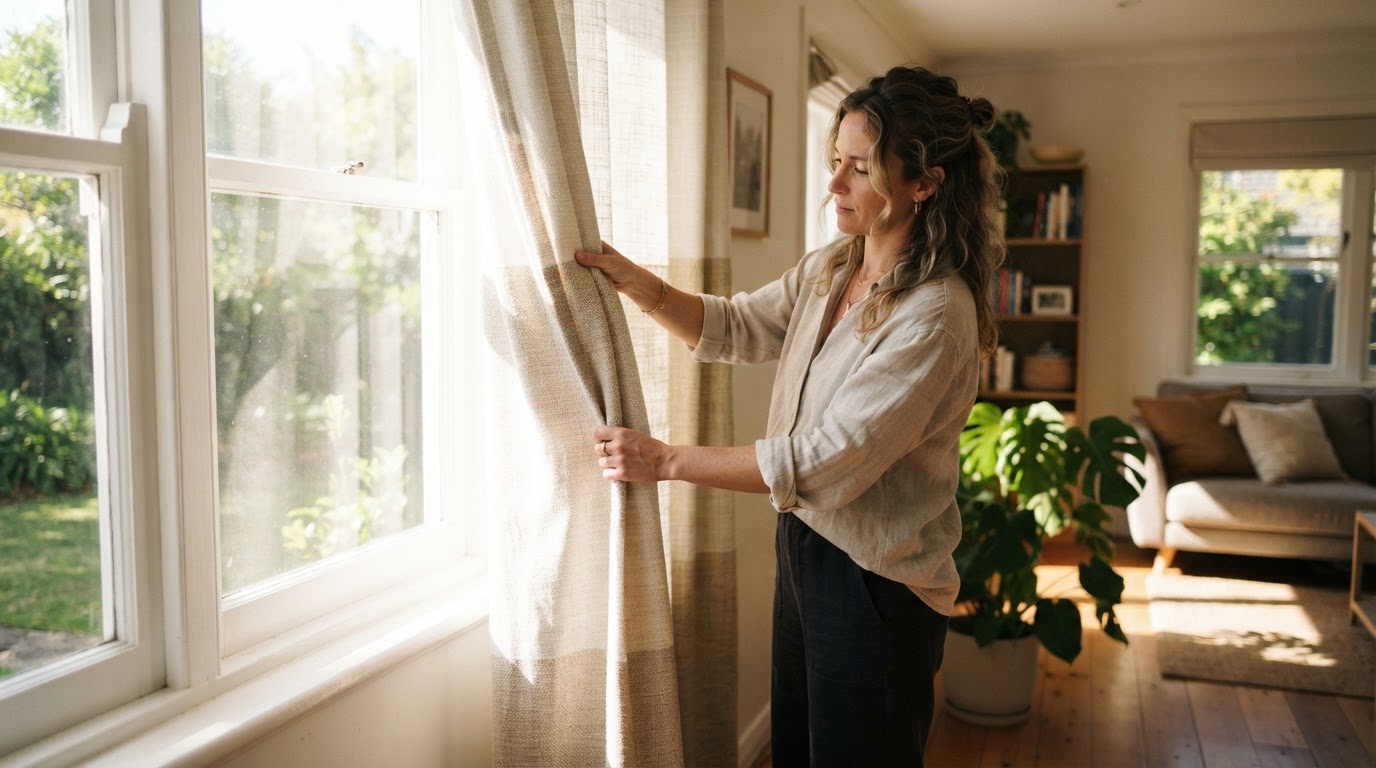
During peak daylight hours, close your bedroom blinds or thermal curtains to keep solar heat from transferring into your furniture and bedding. Blocking radiant heat early in the afternoon keeps baseline room temperatures manageable come bedtime.
Step 2: Set Up Micro-Location Airflow
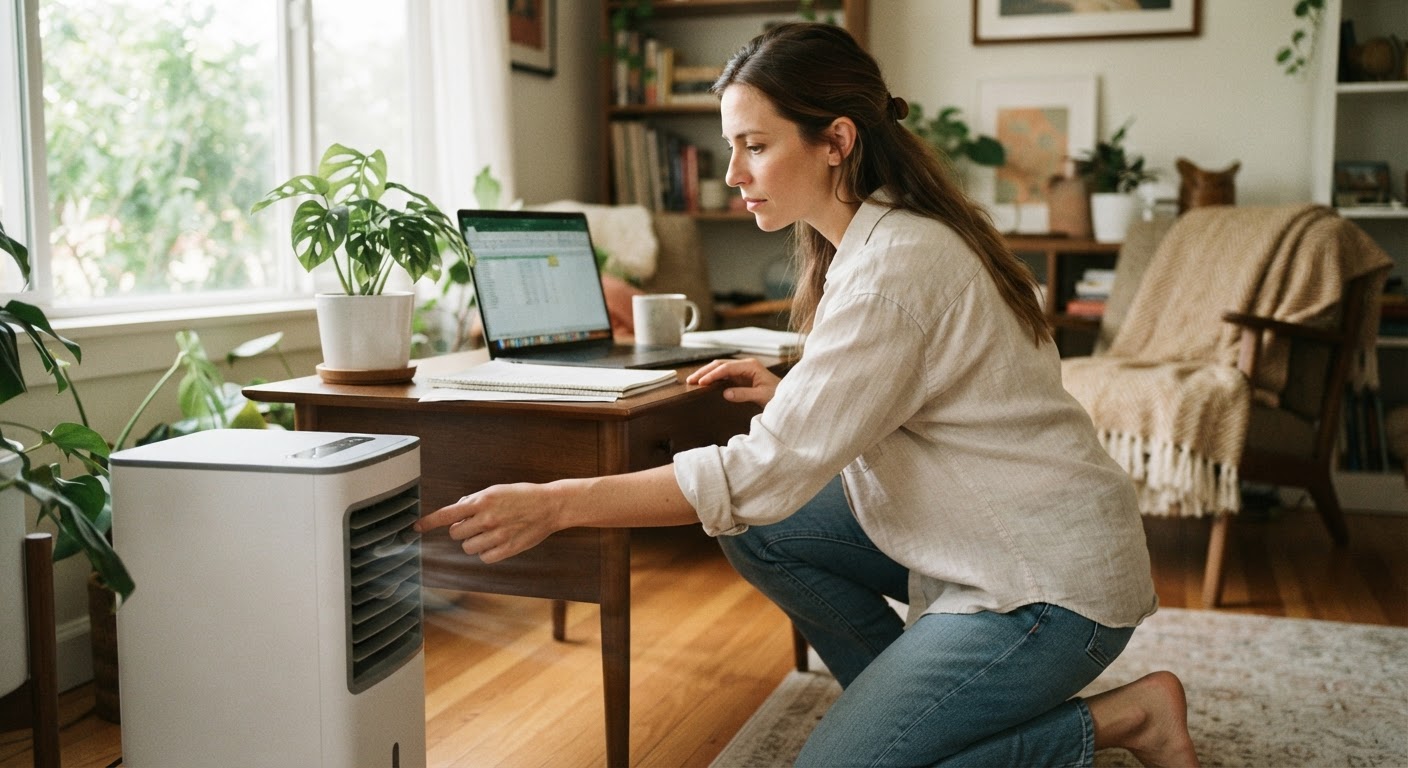
Position a quiet personal fan directly toward your sleeping area. For more tips on overall heat management, check out the main guide. To prevent sleep disruption from mechanical hums, ensure the fan features Low noise operation rated below 35-50 dB decibels.
Step 3: Utilize Chilled Mist and Ice
Elevate cooling performance by introducing cold moisture near your bed. When you add ice and water to the sink of a personal misting cooler, the outgoing airflow feels noticeably colder than ambient air. A unit with a Water mist spray function provides a constant stream of gentle cooling throughout the night without soaking your sheets.
Step 4: Adjust Lighting and Ambience
Turn off heat-emitting incandescent lights prior to sleep. If you require nighttime illumination, choose devices featuring energy-efficient lights. A 7-color LED light design provides soft lighting that promotes relaxation while adding zero excess thermal load to your bedroom environment.
Read the full guide: How to Stay Cool Without AC: The Ultimate Beat-the-Heat Guide