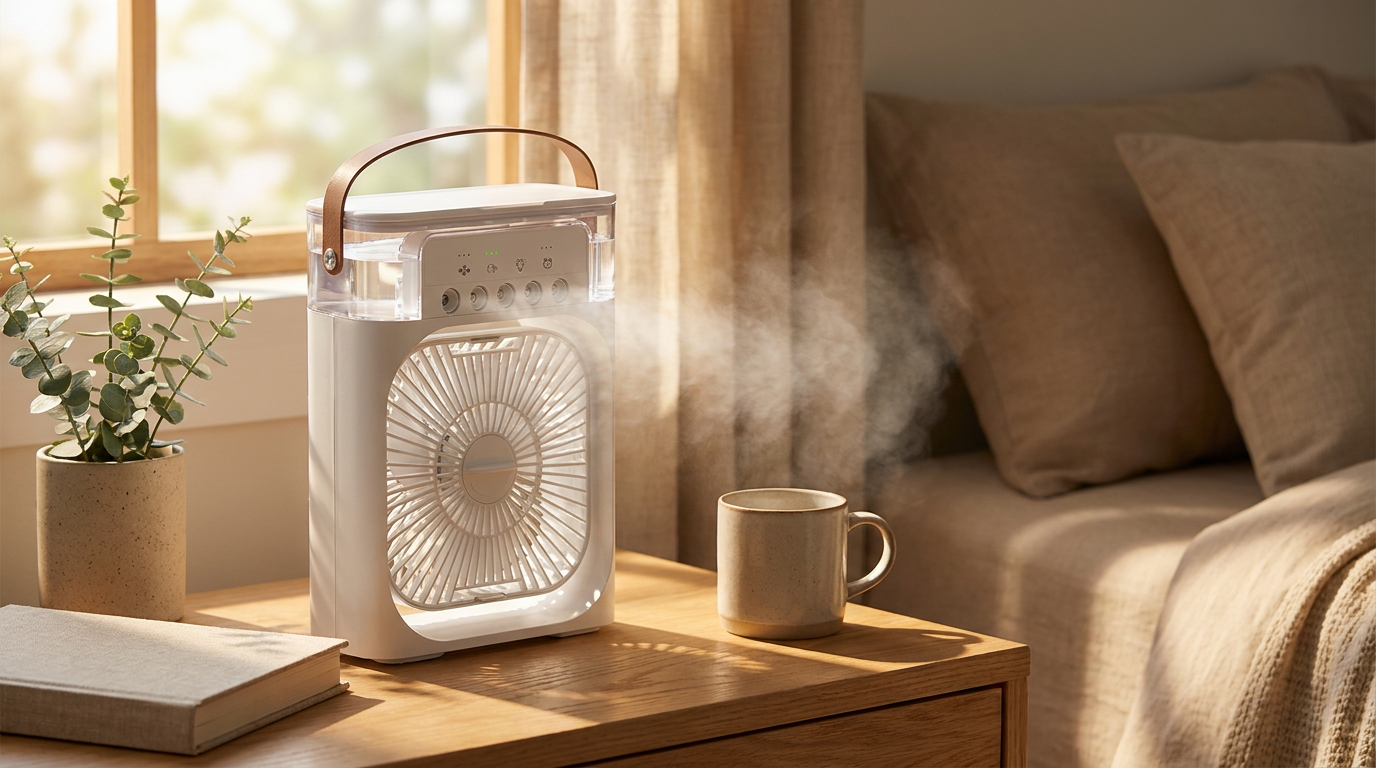
An Evaporative Cooler Review That Starts with Your Climate
 Daniel OkaforField Tester
I've tested dozens of personal cooling devices, but my approach to reviewing them has fundamentally changed. Our internal return data shows the #1 reason customers are unhappy with evaporative coolers has nothing to do with the device itself—it's their zip code. A five-star rating from a user in dry Phoenix is useless if you live in humid Houston. This review isn’t about comparing specs against other models; it's about helping you figure out if our technology is the right fit for your home environment.
Why Star Ratings Can Be Deceiving
When I analyze our return logs, the correlation is undeniable: return requests and complaints about "not cooling" spike in regions where the average relative humidity climbs above 60%. People buy these units based on glowing reviews, not realizing those reviews were written in climates where evaporative cooling naturally excels. My goal here isn't to sell you a cooler; it's to match the right owner to the right technology. The science is straightforward—these devices cool by evaporating water, a process that is significantly less effective in air that's already saturated with moisture. Understanding how evaporative air coolers use evaporation to cool air is the first step to a smart purchase.
My Test: The 3-In-1 Cooler in Its Element
I tested this for a full week in my home office, where the afternoon humidity hovers around a dry 40%. I filled the 3-In-1 Air Cooler’s tank with cool water and placed it on the corner of my desk. The effect was immediate: a focused stream of air that felt genuinely cooler than a standard fan. What surprised me was the secondary benefit. My office air gets uncomfortably dry, and this unit helped beat the seasonal dryness without ever making the room feel damp or sticky. Day three is where I noticed it had earned its place on my nightstand, running quietly and providing a comfortable breeze through the night. What I'd do differently is add a few ice cubes to the tank on a particularly hot afternoon for an extra-crisp initial blast of cool air.
The One Thing to Do Before You Buy
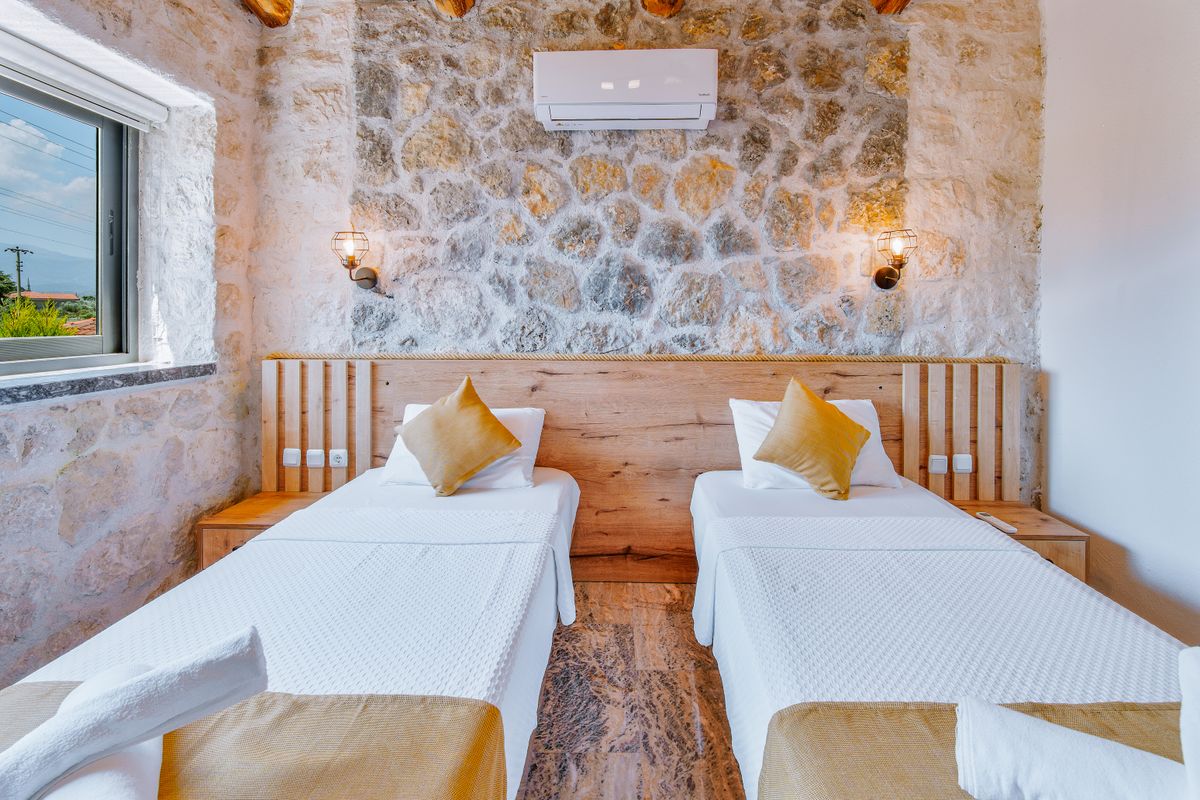
Before you add any evaporative cooler to your cart, do this one thing: check the average relative humidity for your area during the hottest months. You can find reliable, localized data from sources like the National Weather Service's climate data portal. If your area consistently stays below 60% humidity, the 3-In-1 Air Cooler is a fantastic, energy-efficient choice. If it's regularly higher, you’ll be far more satisfied with a traditional air conditioner that removes humidity. Even with perfect bedroom placement for a 3-In-1 Air Cooler, it can't overcome a humid climate.
How do I know if an evaporative cooler will work in my area?
Photo by Max Vakhtbovych on Pexels
The most reliable way is to check your local climate data. An evaporative cooler performs best in areas where the relative humidity is consistently below 60%. If you live in an arid or semi-arid region like the American Southwest, it will be highly effective. In humid coastal or southern regions, its cooling ability will be severely limited.
Is an evaporative cooler the same as a portable air conditioner?
No, they are fundamentally different. An evaporative cooler (or swamp cooler) uses water evaporation to cool the air, which adds a small amount of humidity. A portable air conditioner uses a refrigerant and compressor to remove heat and moisture from the air, making it effective in any climate but using significantly more energy.