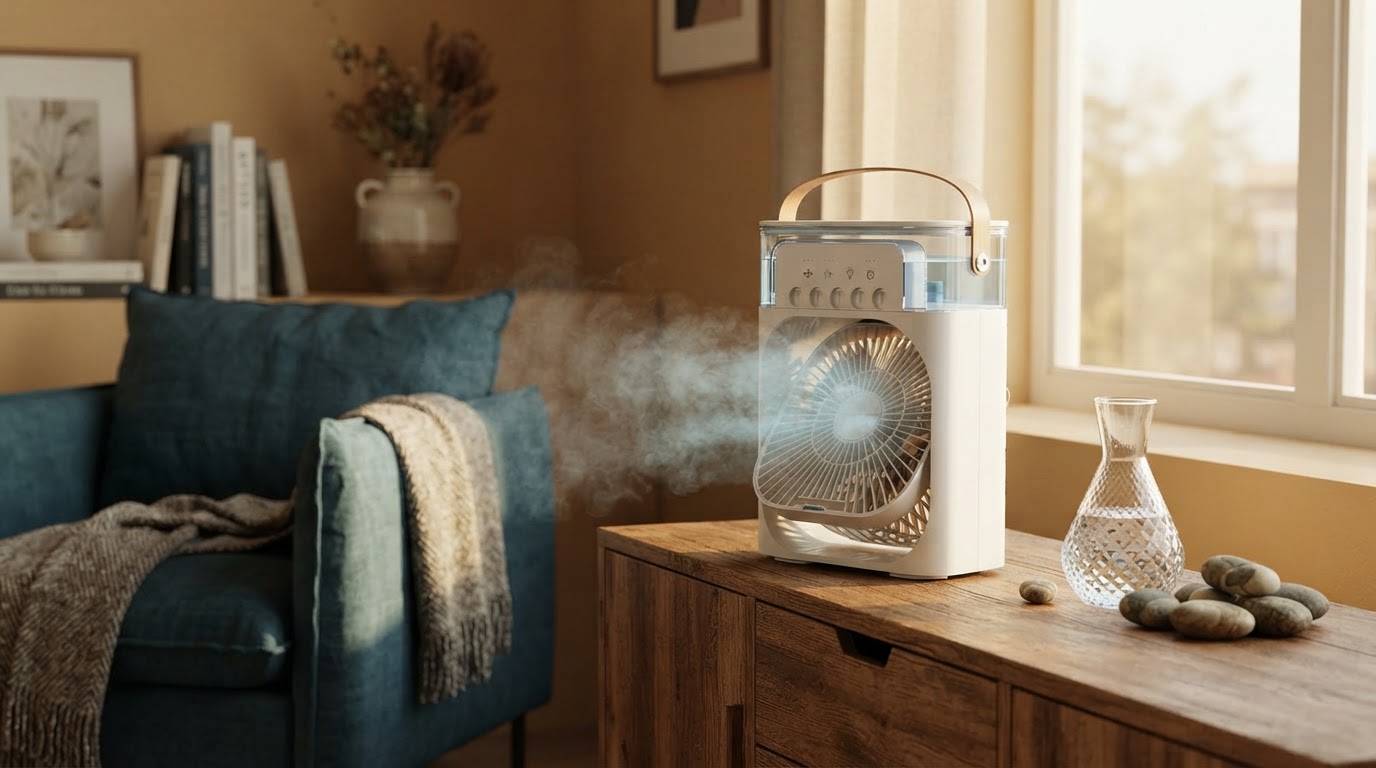
Understanding Evaporative Cooling vs Traditional Air Conditioning
When exploring alternative methods to combat summer heat, understanding the technology behind different cooling options is essential. While traditional air conditioners rely on chemical refrigerants and compressors, evaporative systems take advantage of natural thermodynamic principles to drop local temperatures.
How Evaporative Cooling Works
Evaporative cooling relies on liquid water absorbing heat energy as it transitions into gas. When warm air passes through moist media or encounters fine water droplets created by a Water mist spray function, heat transfers into the water droplets, rapidly chilling the discharge air. This process adds beneficial moisture to dry indoor spaces while circulating a refreshing breeze.
Traditional Air Conditioning Mechanics
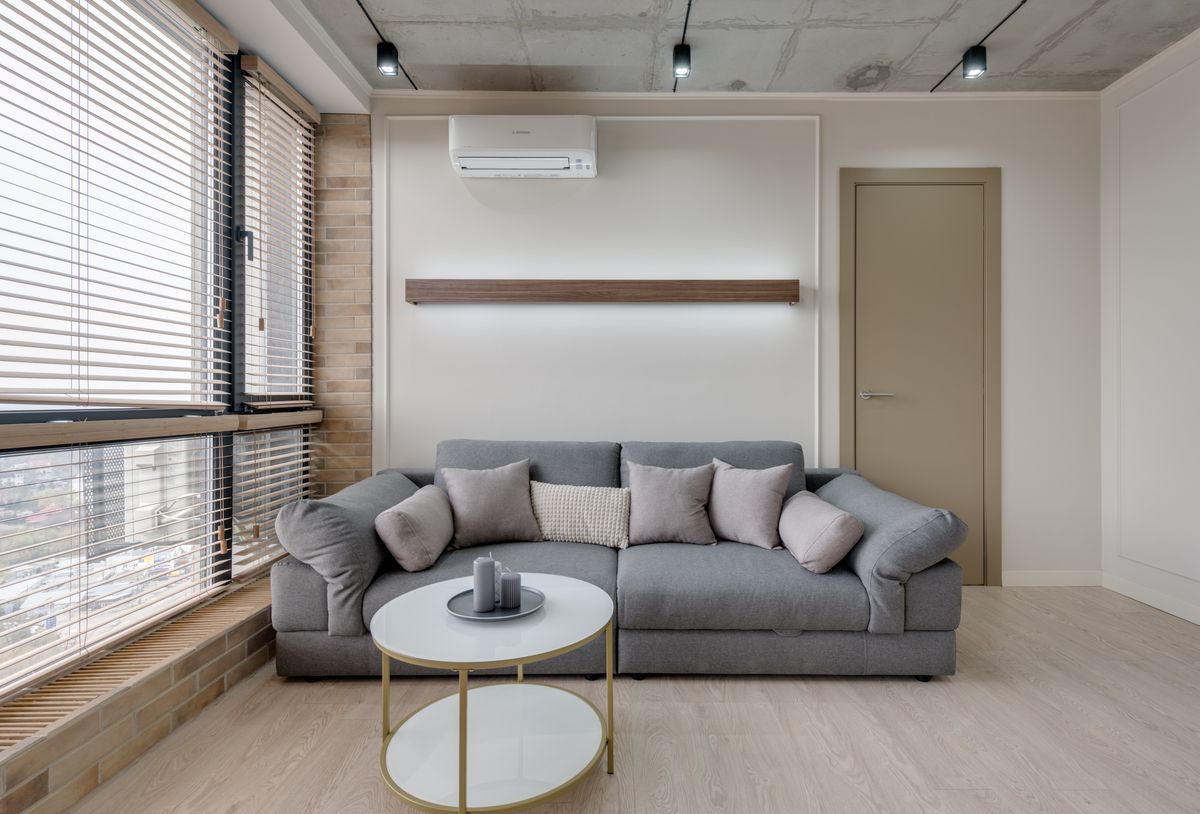
Photo by Max Vakhtbovych on Pexels
Traditional air conditioners pull warm ambient air across chemical-filled evaporator coils, stripping out moisture and exhausting heat outside. While effective for cooling vast areas, these units consume significant power—often exceeding 1000-1500W watts—and dry out indoor air completely, which can cause respiratory discomfort or dry eyes over extended use.
Comparing Energy Efficiency and Flexibility
Personal evaporative units operate on a fraction of the electricity required by window or central units. Devices that are USB Electric powered can run easily off portable power banks or laptops, yielding estimated power savings up to Up to 90% compared to running full compressors. Furthermore, as discussed in the main guide, targeting your personal microclimate rather than an entire empty floor plan eliminates wasted energy.
Finding the Best Fit for Your Space

Photo by Max Vakhtbovych on Pexels
If you live in an arid climate or prefer localized airflow that avoids dry skin, evaporative coolers like the 3-In-1 Air Cooler offer a versatile alternative. They provide low-noise operation, seasonal humidification, and simple portability without costly installation.
Read the full guide: How to Stay Cool Without AC: The Ultimate Beat-the-Heat Guide