Personal Air Cooler vs. Desk Fan for Home Office: Which Saves More Energy?
A personal air cooler versus a desk fan for home-office energy is a trick question. A USB 3-in-1 personal cooler draws about 10W at 5V DC. Most desk fans are also small. Neither will show up like 1000–1500W-class central AC. The cooler saves more when evaporative mist and humidity let you raise the thermostat in a dry office. The fan saves more when it is the gadget you will actually use. Spot cooling a zone up to about 50 sq ft is the strategy; compressor hours are the prize.
Do not compare 10W to 8W and call it a plan
Napkin math between a 3-in-1 and a fan is pennies if rates are ordinary. Listed savings of up to 90% in this product class are versus traditional AC wattage, not versus a desk fan. If someone sells you “the cooler uses less than a fan” as the whole story, they skipped the air handler.
Home-office energy drops when the person at the keyboard stops requesting arctic halls. Closed door, shade, airstream on the body. Fan or 3-in-1 can be that airstream.
USB 5V is how both stay on a strip without looking like a heater.
When the 3-in-1 is the better energy tool
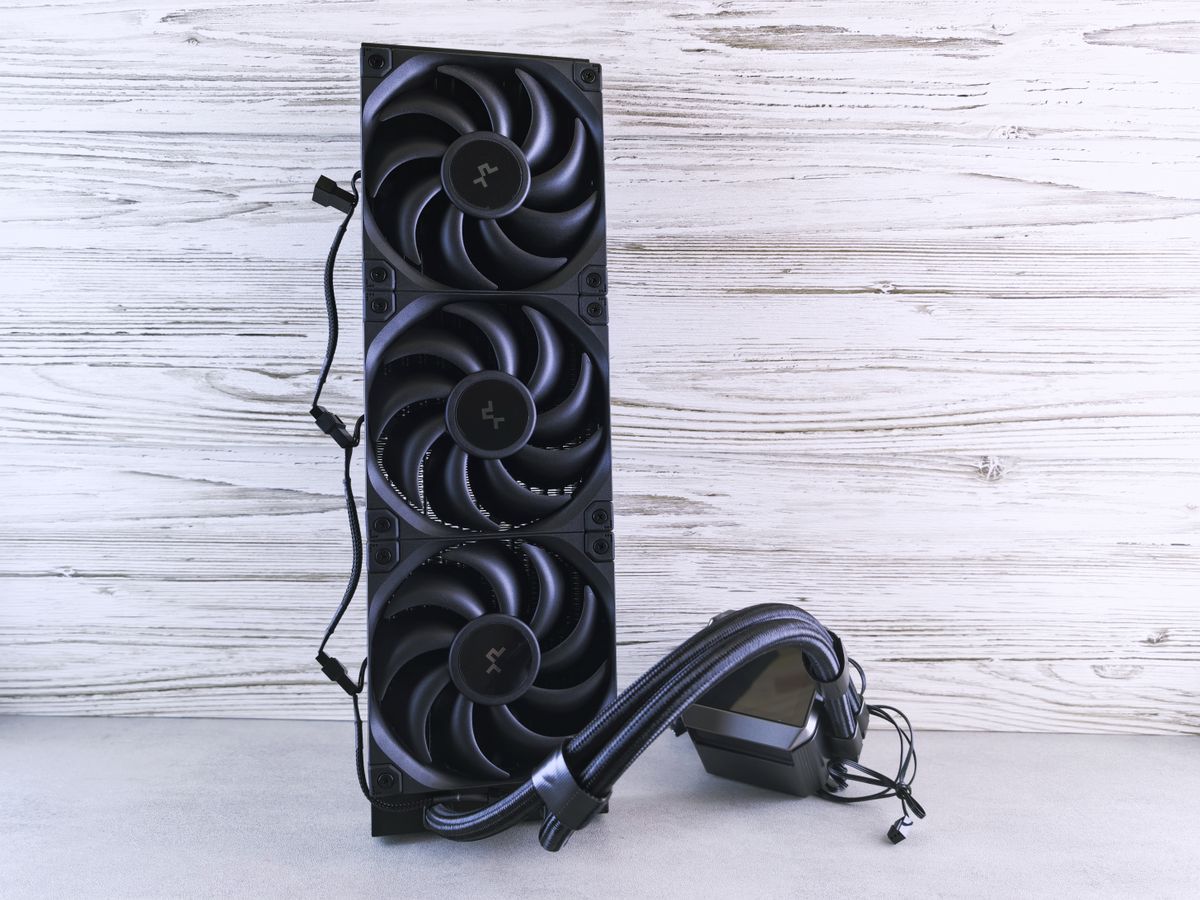
Photo by Andrey Matveev on Pexels
Dry spare rooms make people slam AC to “feel something.” Often that something is moisture. Mist plus humidifier mode can make a higher set point livable. Then compressor hours fall. That is a real save the fan cannot copy.
35–50 dB sitting means you might leave it on instead of giving up and icing the house. LED off does not change watts in a meaningful way.
You still have to refill. An abandoned 3-in-1 saves nothing.
When the fan is the better energy tool
If you will not wipe a tank, the fan is the device that stays on the desk. A used fan beats a 10W sculpture. Muggy offices also make evaporative mist the wrong lever; fan-only is the efficient choice either way.
A high, hated fan that you shut off after ten minutes is a failed save. Comfort you will keep is the energy feature.
Do not stack fan plus 3-in-1 plus arctic AC. You will pay the AC bill and a little USB on top.
A fair home-office experiment
One week: modestly higher set point, door closed, desk fan. Another week: same set point, 3-in-1 with mist if air is dry. Comfort is the metric; the bill follows compressor runtime you can roughly sense from how often the air handler kicks.
This guide will not invent dollar amounts. Use your utility rate on 10W versus 1000–1500W if you want a spreadsheet. The order of magnitude is the lesson.
Coverage up to about 50 sq ft still applies. Cooling a hallway with either gadget is not an energy strategy.
Home-office energy comparison
| Item | USB personal 3-in-1 | Desk fan | | --- | --- | --- | | Direct watts | About 10W | Also small / similar class | | Moisture | Mist + humidifier | None | | Helps rest AC in dry rooms | Often yes | Only via breeze | | Helps in muggy rooms | Fan-only mode | Yes | | Vs 1000–1500W AC | Huge gap if AC hours drop | Same idea |
Energy-save checklist
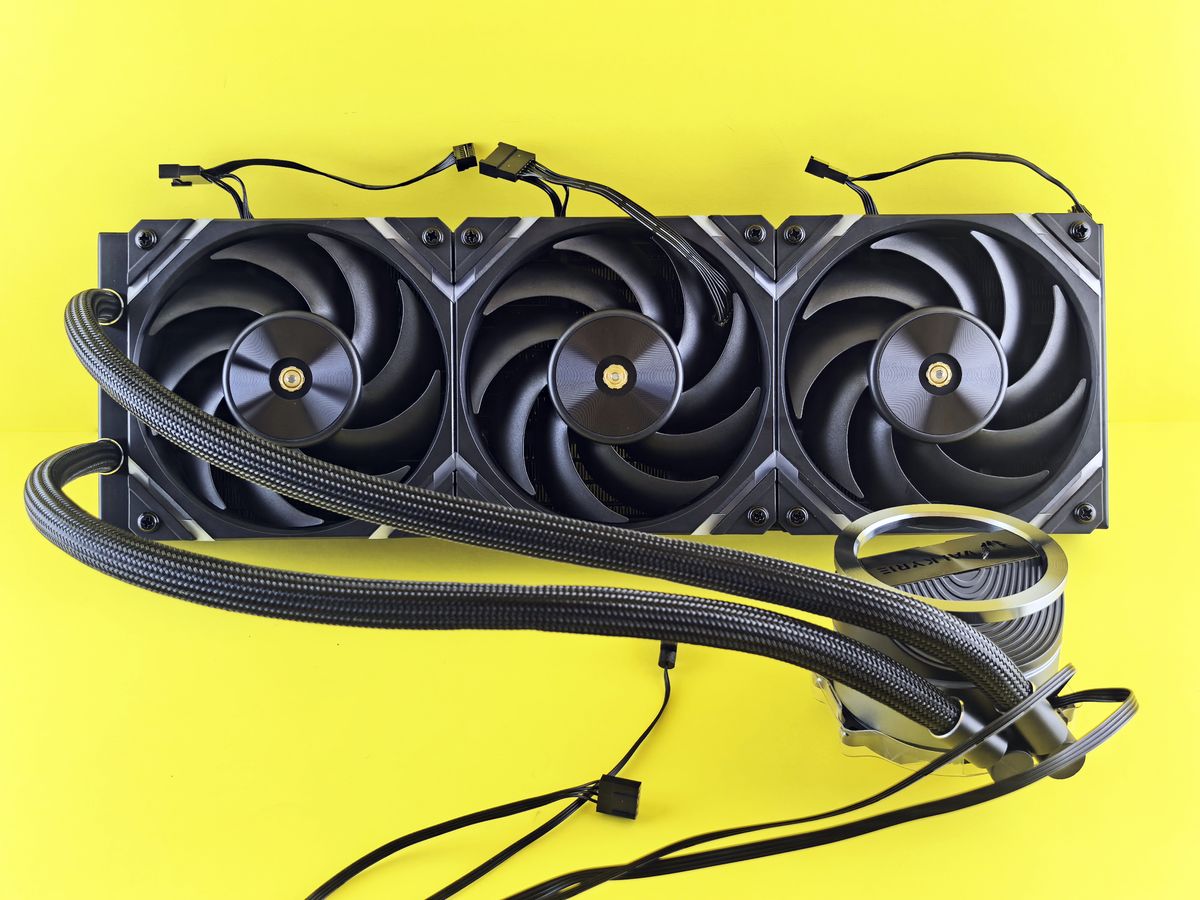
Photo by Andrey Matveev on Pexels
- [ ] Raise the house set point on desk days.
- [ ] Close the office; shade glass.
- [ ] Use mist only if dry air is why you slam AC.
- [ ] Pick the gadget you will leave on at a livable speed.
- [ ] Do not run arctic AC “plus” a desk device.
- [ ] Weekly tank care so the 3-in-1 remains the used option.
Frequently asked questions
Which saves more energy, personal air cooler or desk fan?
Against each other, almost nothing. Against central AC, whichever one lets you cut compressor hours — often the 3-in-1 in dry offices.
Is the 90% savings versus a fan?
No. It is framed versus high-watt traditional AC, and only if that AC actually runs less.
Should I unplug the fan when I use the 3-in-1?
You do not need both airstreams. One personal zone is the point.
Does humidifier mode waste the save?
Still about 10W class. The water is the extra cost, and it is small next to compressor hours.
Related reading
These energy and fan-comparison pages keep the compressor as the real bill.
- energy-efficient spot cooler review of the 3-In-1
- personal air coolers versus standard desk fans
- eco-friendly cooling analysis
- solving dry air and overheating on a budget
What to do next
This week, raise the home-office set point a step and run one airstream at the chair — 3-in-1 mist if the air is dry, desk fan if it is not. The energy winner is the setup that keeps the 1000–1500W compressor quiet, not the gadget with a slightly smaller USB sip.
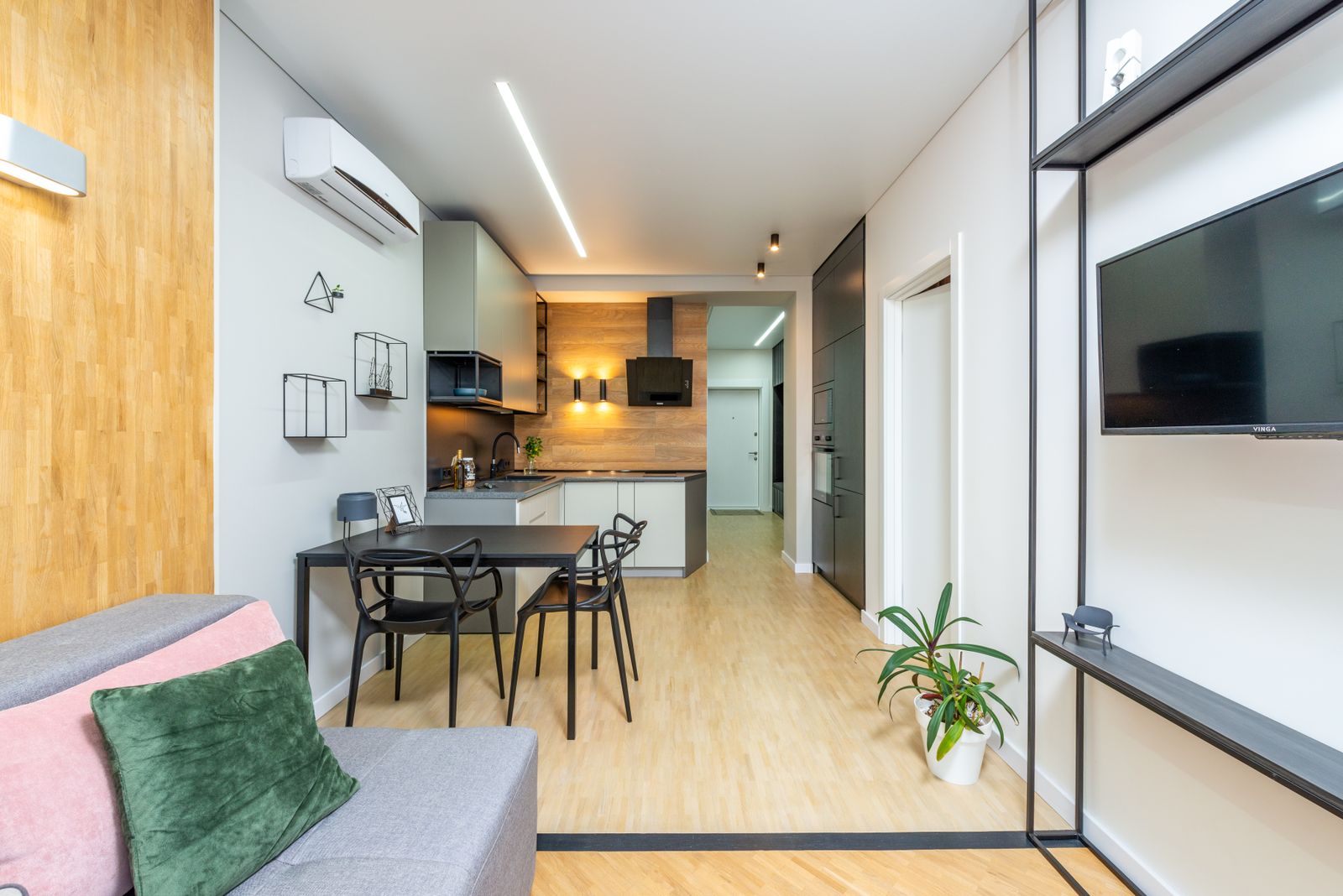
Cover photo by Max Vakhtbovych on Pexels.