How Dry Indoor Air Impacts Your Sleep (and How a Quiet Misting Fan Helps)
Dry indoor air can make it harder to sleep comfortably: throats feel scratchy, sinuses feel tight, static clings, and you wake to drink water. A quiet misting fan — a 3-in-1 personal air cooler used as fan plus humidifier with water mist spray — helps by adding moisture and gentle airflow in a bedside zone up to about 50 sq ft, at a listed 35–50 dB, with the 7-color LED off. It does not diagnose or treat sleep disorders. It is a comfort layer on USB 5V at about 10W.
What dry air does to a night, without medical theater
Heated winter air and aggressive AC both strip moisture. People notice dry indoor air at night because they are still, breathing the same pocket for hours. Comfort language: dry lips, dry throat, that “hotel heat” feel. This article will not claim a clinical outcome or a cure.
Sleep quality here means fewer dry-air annoyances, not a promised extra hour of REM. If snoring, apnea, or pain is the story, talk to a clinician. A misting fan is not that appointment.
A glass of water on the nightstand is still smart. The gadget is extra moisture in the air you face, plus a little moving air that some sleepers like as hush.
How a quiet misting fan fits the bed
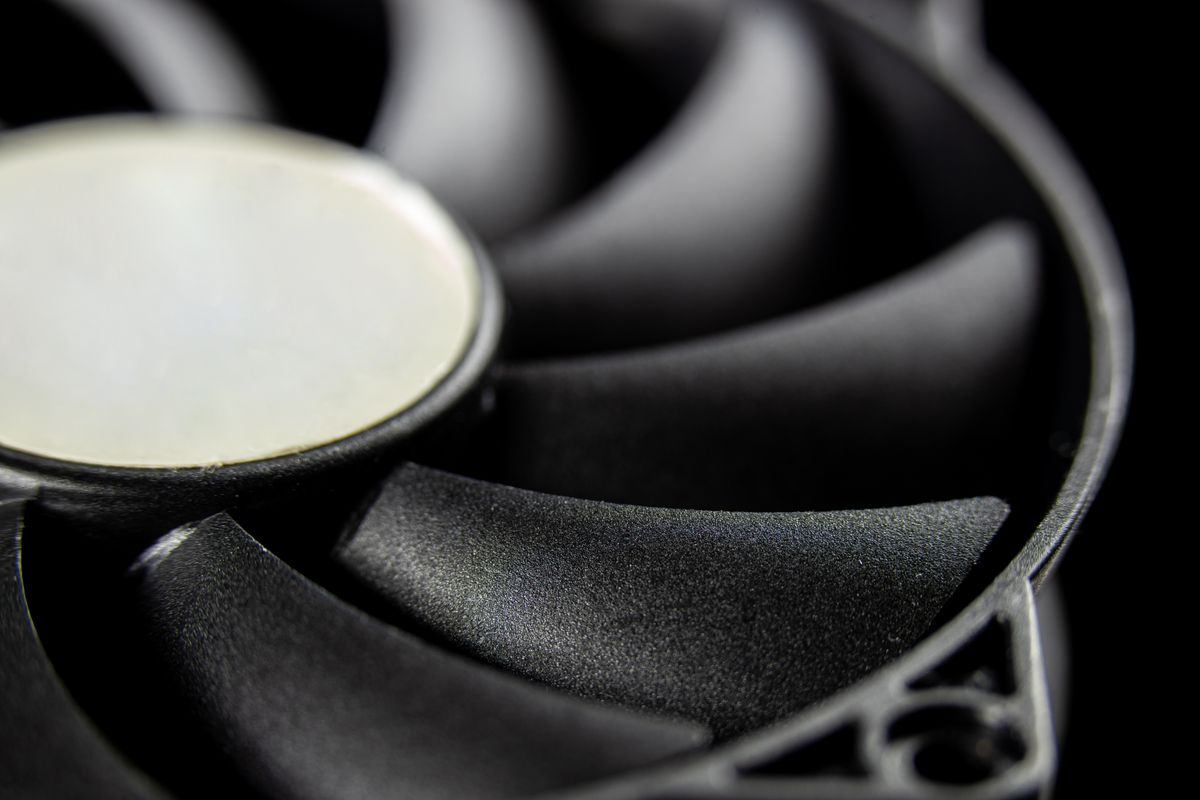
Photo by Sergei Starostin on Pexels
The 3-in-1 is fan, mist cooling, and humidifier. At night in a dry room you usually want humidifier-forward: clean room-temp water, not a tank of clinking ice. Aim the spray so a drift reaches the air above the mattress, not a soaked pillowcase.
Low noise is listed at 35–50 dB. Put the unit on a tray, on a solid nightstand, cable routed so you cannot yank USB 5V into the tank. About 10W is a small overnight load. Dry the port when you refill.
7-color LED belongs off for most sleepers. If you need a night light, one dim color facing the wall. Rainbow modes are the opposite of a sleep setup.
When misting makes sleep worse
Already-humid nights, windows that fog, bedding that goes clammy — pause mist, keep a little fan if you like white noise. Dry-air help is not infinite humidity. A small closed bedroom can overshoot.
Partners who hate any appliance sound get a veto. The listed band is low, not zero. A hollow nightstand will amplify it.
Never run a misting fan under a duvet or inside a child’s crib. Adult-controlled, stable, dry electrical connection. Personal ~50 sq ft means your side of a normal bed, not a nursery protocol.
Pair habits, do not expect magic
A slightly lower thermostat in winter with a humidifier-at-the-bed can feel better than arctic dry heat. A slightly higher AC setpoint in summer with a quiet personal stream can feel better than a desert bedroom. Those are the same zonal ideas as daytime desk use.
Empty the tank in the morning so you are not breathing yesterday’s water at 11 p.m. Clean mineral film so mist still exists. Sleep help that clogs on Tuesday is just a plastic box on Wednesday.
Dry-air sleep tools
| Tool | Sleep role | Limit | | --- | --- | --- | | Quiet 3-in-1 misting fan | Personal moisture + 35–50 dB air | ~50 sq ft; not a medical device | | Traditional humidifier | Moisture, less of a cooling stream | May lack the fan hush you want | | Dry fan only | Air movement, can feel even drier | No humidity help | | Whole-room AC on arctic | May sleep cool but drier | Not a moisture plan | | LED rainbow on the cooler | Usually anti-sleep | Turn it off |
Dry-air sleep checklist
- [ ] Use clean room-temp water; skip clinking ice.
- [ ] Tray on a solid nightstand; USB 5V dry.
- [ ] Aim mist off the pillow.
- [ ] 7-color LED off or one dim wall-facing color.
- [ ] Pause mist if the room goes damp.
- [ ] Empty leftover water in the morning.
- [ ] Seek clinical care for real sleep disorders — this is comfort only.
Frequently asked questions
Does dry air really affect sleep?
Many people find dry indoor air uncomfortable at night — scratchy throat, dry feel. That can make rest feel worse. It is not the same as a diagnosed sleep disorder.
How does a quiet misting fan help?
It adds personal humidity and gentle airflow at the bed, at a listed 35–50 dB, in about 50 sq ft. Comfort, not a cure.
Is overnight USB safe?
On a dry, stable nightstand with a tray and no soaked fabric over the unit, about 10W at 5V DC is a light load. Keep liquid out of the port.
Should I use ice at night?
Usually no if noise and a cold draft bother you. Dry-air sleep wants moisture more than ice-chill.
Can this replace a CPAP or a medical humidifier?
No. Different jobs. Do not substitute a desk mist fan for prescribed equipment.
Related reading
These bedroom humidity and quiet-cooling guides support dry-air sleep setups.
- how to keep a bedroom cool at night
- quiet comfort sleeping with a 3-in-1 air cooler
- FAQ on solving dry indoor air with personal coolers
- how to increase moisture in a small room
What to do next
Tonight, fill a 3-in-1 with clean water, kill the LED, aim mist off the pillow, and listen for a 35–50 dB hush on a dry nightstand. If dry indoor air was the annoyance, a quiet misting fan is the personal comfort layer — not a medical plan. Empty the tank in the morning.
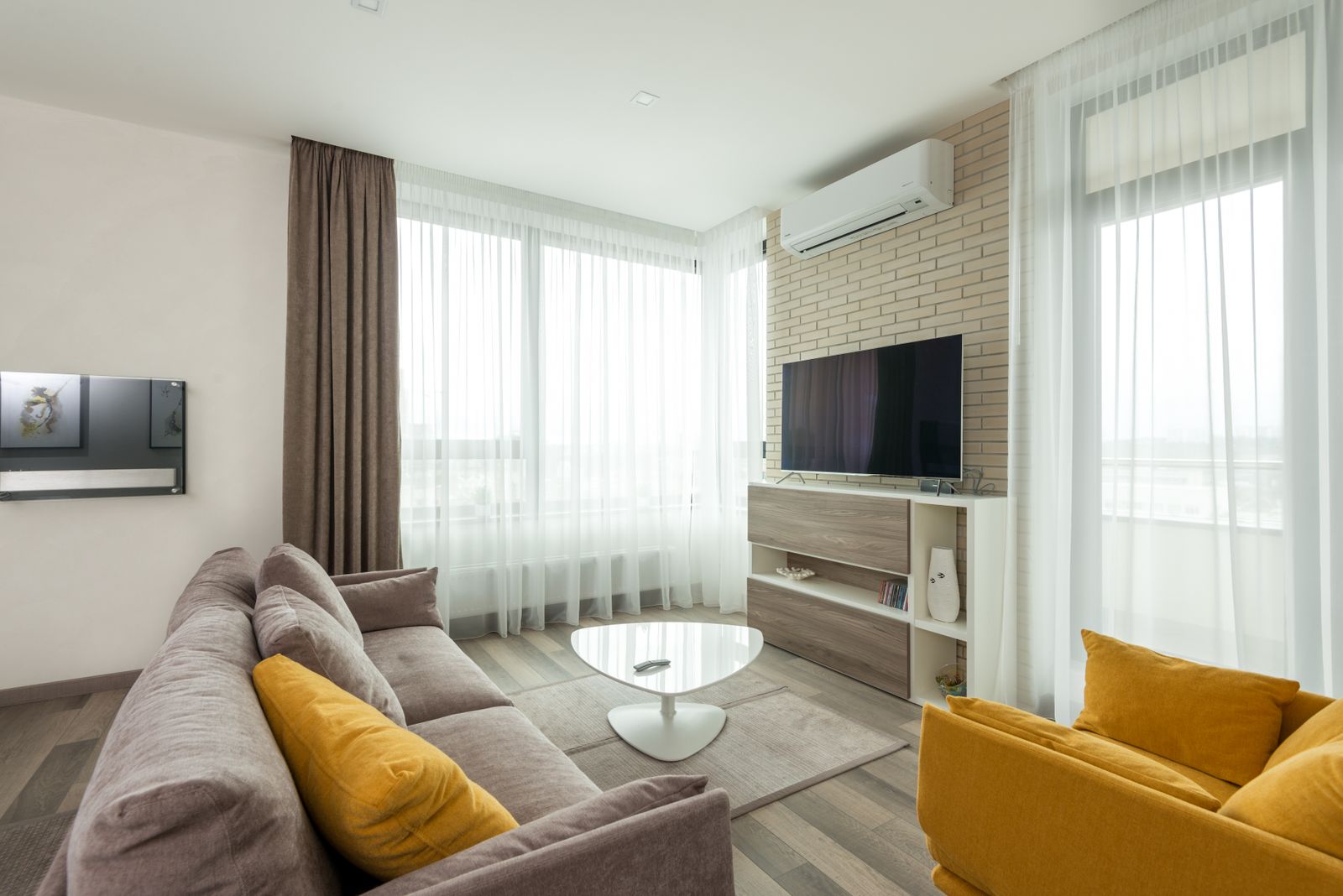
Cover photo by Max Vakhtbovych on Pexels.