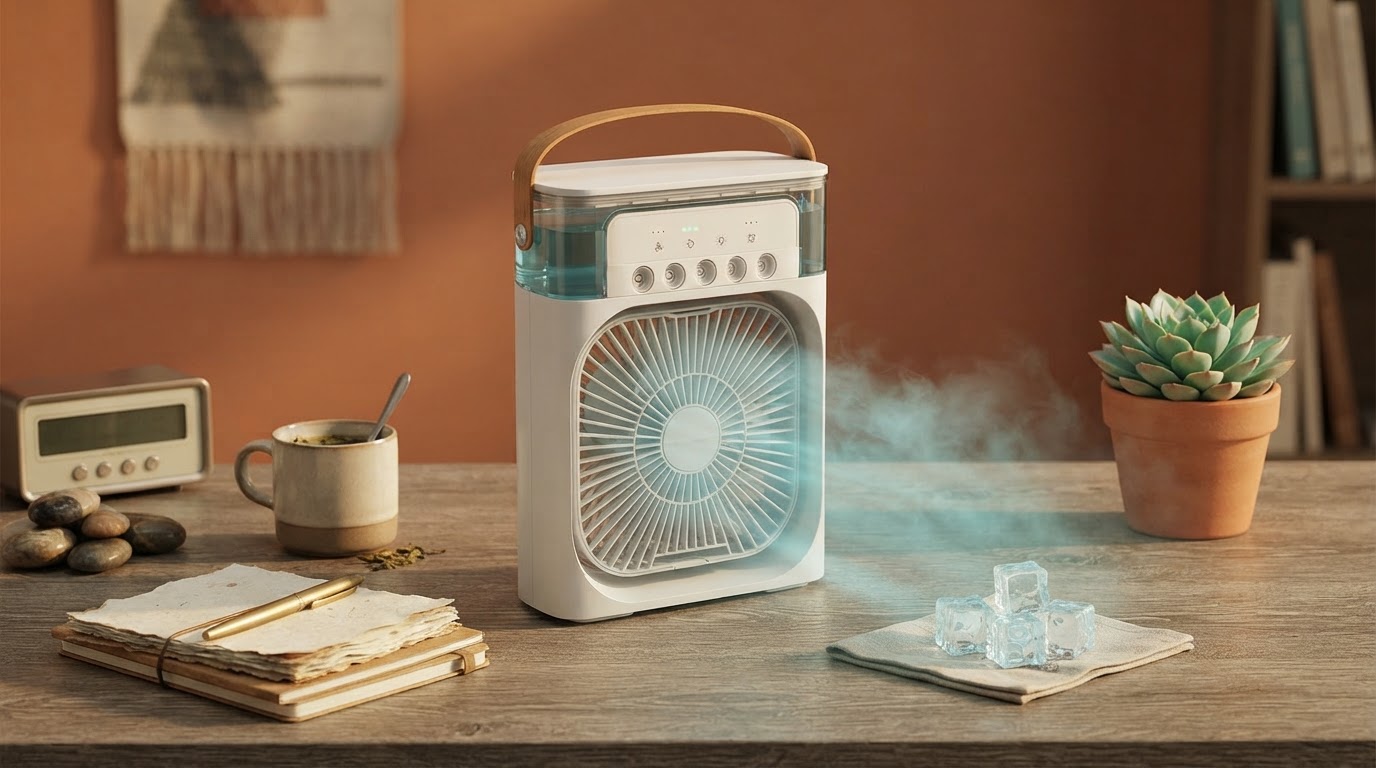
3-In-1 Air Cooler for Windowless Dorm Rooms
 Sam VasquezBuying Guide Lead
August 1, 2026. This guide examines effective strategies for lowering the perceived temperature in small, poorly ventilated living spaces where traditional window units are prohibited. It is intended for college students and residents living in windowless dormitories or small studios.
The Challenge of Stagnant Air in Windowless Dorms
Living in a room without a window creates a unique set of thermal challenges that most standard cooling advice ignores. Without an aperture for air exchange, heat from electronics, lighting, and your own body becomes trapped, causing the ambient temperature to rise steadily throughout the day. According to ClimateCare, one of the primary ways to cool down a room without windows is to use a ventless air conditioner or focus on creating internal airflow through evaporative methods. In a standard dorm setting, you cannot drill through the wall for a mini-split, and you certainly cannot run a bulky exhaust hose to a non-existent window. This leaves many students searching for dorm room cooling solutions that don't require external venting.
I have seen many people in online forums, such as the Facebook group "What to use for cooling in a dorm room with no air," express frustration when they realize that a traditional portable AC is useless without a way to vent the hot air out. If you try to run a hosed unit in a sealed room, the heat coming off the back of the machine will actually raise the room temperature faster than the front can cool it. This is where the physics of evaporation becomes a practical necessity rather than a luxury. In these tight quarters, the goal isn't necessarily to lower the thermostat of the entire building, but to create a personal cooling zone that allows you to sleep and study comfortably. The lack of natural ventilation also means that humidity can become static, so any device used must balance the need for moisture with the need for high-velocity air movement.
How the 3-In-1 Air Cooler Functions Without Vents

Photo by Max Vakhtbovych on Pexels
The 3-In-1 Air Cooler is specifically designed for these "no-hose" scenarios because it operates as a portable evaporative cooler rather than a compressor-based refrigerant system. It combines a high-velocity fan, a humidifier, and an internal water reservoir to chill the air it passes through. Because it doesn't use a compressor, it doesn't generate the massive amounts of exhaust heat that make traditional portable ACs fail in windowless rooms. When I look at the specs for a mini air conditioner for bedroom use, the primary advantage is the low power draw—usually powered via USB—which prevents tripping the sensitive circuit breakers common in older dormitories. Between a standard desk fan and this unit, I’d go with the 3-In-1 Air Cooler because the water mist adds a layer of sensible cooling that a dry fan simply cannot provide.
If you're on a budget, you might be tempted to just buy a $15 box fan. Skip this if your room is already above 85 degrees, as a fan will eventually just move hot air around your face without actually changing your skin temperature. The 3-In-1 Air Cooler works by pulling air through a wet filter or using a misting function, which can drop the temperature of the air directly in front of the unit by several degrees. This makes it the best personal air cooler for desk setups where you are sitting for long periods. It is also significantly quieter than the Serenelife or Pioneer units mentioned in some windowless room guides, which is a major factor when you are trying to study or sleep in a room that already echoes. While it won't turn a 90-degree room into a 60-degree icebox, it provides that critical quiet portable cooling fan humidifier effect that makes stagnant air feel fresh again.
Decision Framework for Dorm Residents
Choosing the right device depends on your specific dorm regulations and the layout of your furniture. Before you purchase a 3-in-1 air cooler, you need to evaluate your space. Here is what I’d actually buy based on different needs: for a bedside table, the 3-In-1 is superior; for a large shared common area, you might need a larger evaporative tower.
Checklist for windowless cooling:
- Verify Power Source: Ensure your desk has an available USB port or a standard outlet nearby for consistent operation.
- Check Maintenance Requirements: You will need access to a sink to refill the water tank; choose a unit like the 3-In-1 that is easy to carry to the bathroom.
- Noise Levels: In a windowless room, sound reflects off every wall. Look for units with a decibel rating low enough for sleep.
- Footprint: Dorm desks are notoriously small. The 3-In-1 Air Cooler is preferred here because it occupies less than a square foot of space.
- Lighting Features: Many dorms have poor lighting; units with built-in LED night lights serve a dual purpose in windowless environments.
Sources
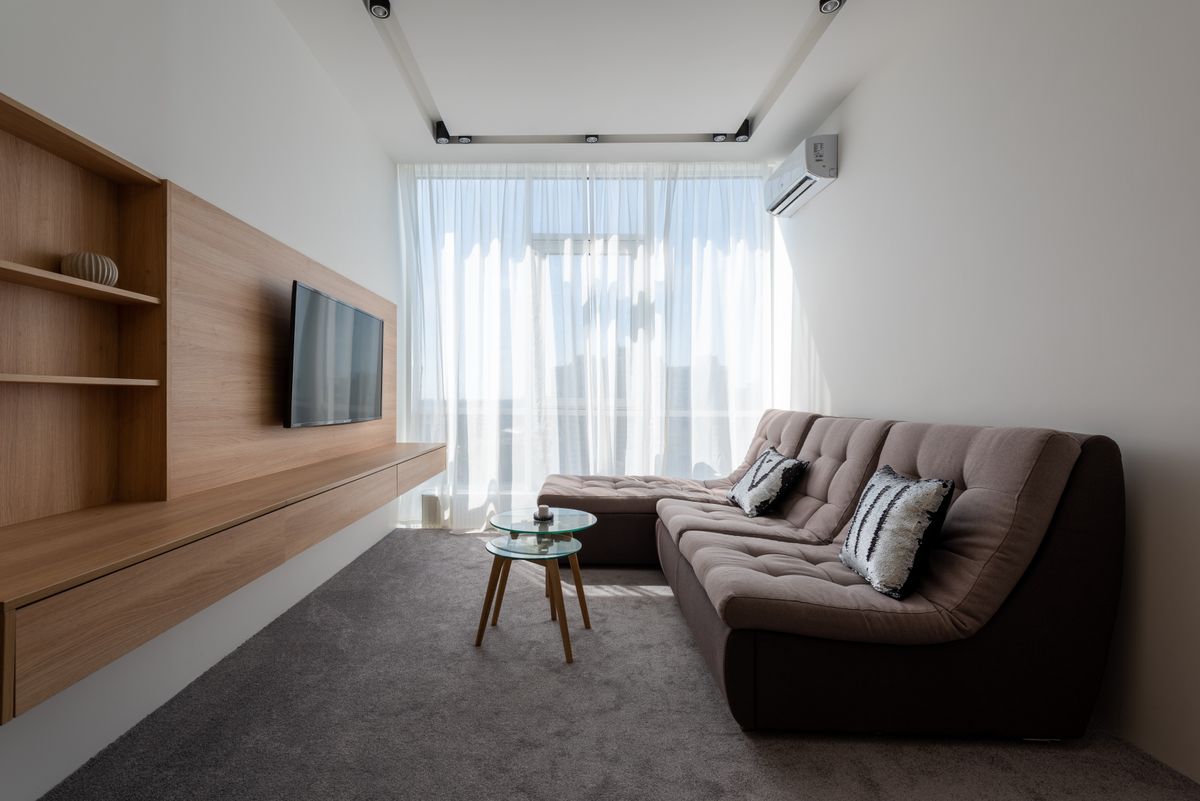
Photo by Max Vakhtbovych on Pexels
- What to use for cooling in a dorm room with no air ...
- 5 Ways to Cool Down a Room Without Windows
- 11 Ways To Cool Down a Windowless Room In Summer