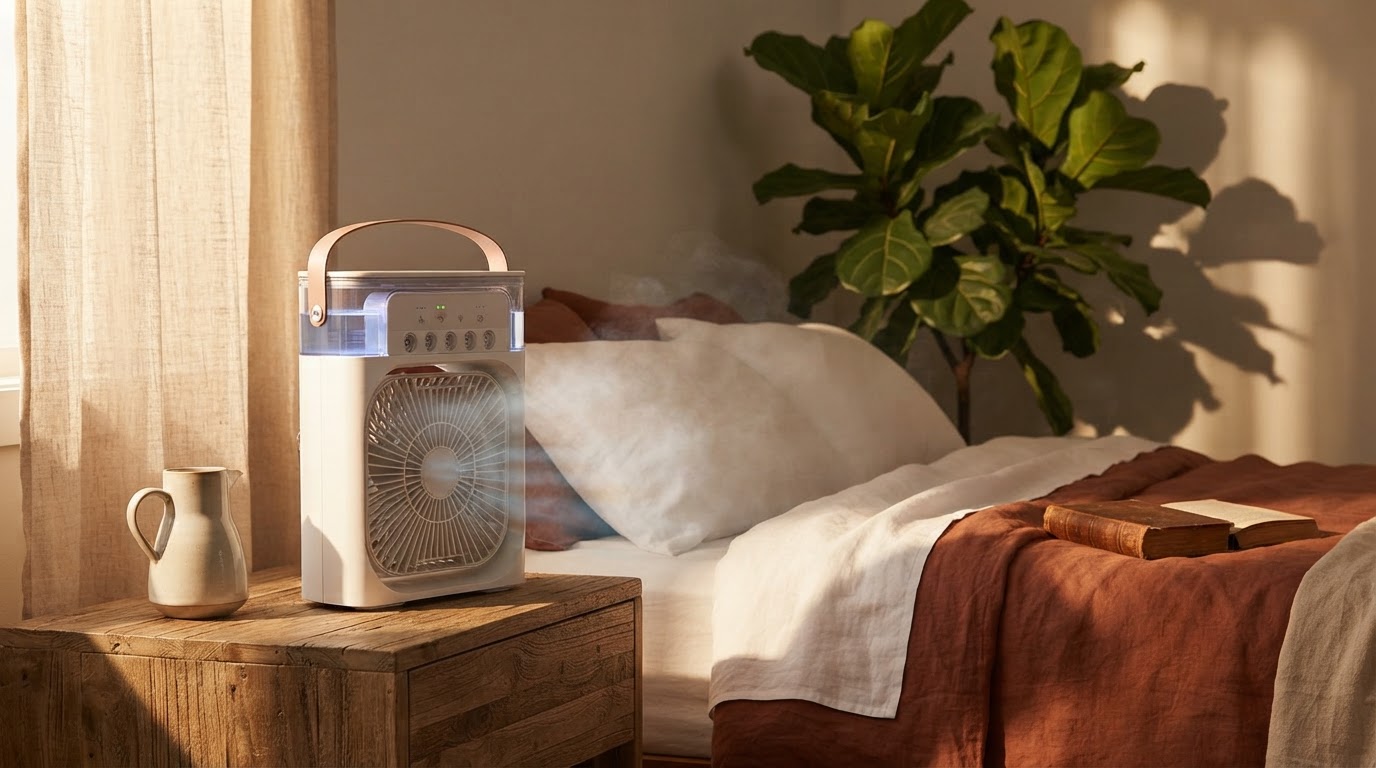
Choosing Between Portable AC and 3-In-1 Air Cooler Units
 Priya RamanSenior Analyst
August 12, 2026 — The shift toward localized climate control has driven a surge in interest for the 3-In-1 Air Cooler as consumers seek alternatives to high-energy HVAC systems. As temperatures rise globally, the distinction between refrigerant-based cooling and evaporative technology has become a critical point of technical evaluation for residential users.
Selecting the right equipment requires understanding the specific environmental constraints of your space. According to Honeywell Air Comfort, evaporative coolers require an open window for cross-ventilation, whereas portable air conditioners must have a dedicated window to vent out hot air via a hose. This fundamental difference in airflow management dictates where and how these devices can be deployed effectively within a modern home.
The Three-Axis Cooling Framework
To navigate this choice, we look at the three-axis cooling framework: Energy Efficiency, Installation Flexibility, and Humidity Impact. Think of it as a matrix of operational requirements versus environmental output. The 3-In-1 Air Cooler operates on the principle of evaporation, which naturally adds moisture to the air while consuming significantly less power than the compressor-driven cycles found in portable air conditioners. This makes it an ideal energy efficient spot cooler for those prioritizing lower utility costs. Conversely, portable air conditioners act as dehumidifiers, removing moisture from the air while cooling it, which is essential in high-humidity climates where evaporation is less effective.
Data from recent consumer usage patterns highlights the 3-In-1 Air Cooler as a primary choice for a mini air conditioner for bedroom settings due to its multi-functional nature. It serves as a fan, a humidifier, and an air cooler with integrated LED night lights, designed for USB-powered convenience. While a portable AC is often limited to a single room because of its heavy venting hose, a portable evaporative cooler can be moved from a desk to a bedside table without structural adjustments. The decision rule: if your environment allows for a cracked window and you prefer a low-energy footprint with added humidity, the evaporative model is the technical winner. If you must lower the temperature of a sealed, high-humidity room regardless of energy draw, the portable AC is the necessary tool. Once you see it this way, the choice between these two technologies becomes a matter of matching the device to your specific room physics.
Expert tip: When using the 3-In-1 Air Cooler, place the unit near an open window to ensure a constant supply of fresh, dry air, which maximizes the evaporation rate and cooling efficiency of the water mist function.
Understanding how to stay cool without central ac involves balancing these technical trade-offs to maintain comfort without excessive cost. By selecting the right portable evaporative cooler, users can achieve targeted relief in specific zones of the home.
Sources
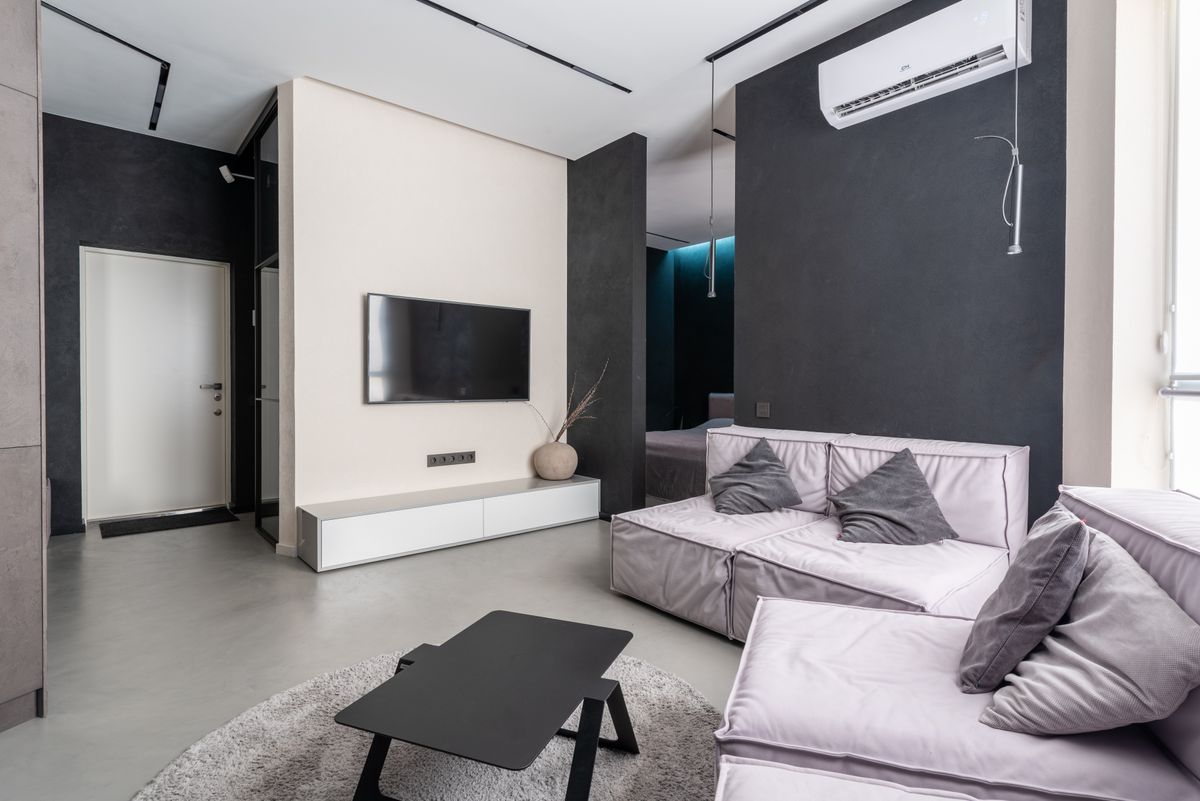
Photo by Max Vakhtbovych on Pexels
- Portable AC vs. Evaporative Cooler: Which to Choose?
- Evaporative Swamp Coolers vs. Portable Air Conditioners
- Evaporative Swamp Coolers vs. Portable ACs | Sylvane